

Meet Elina,
your menopause mentor.
Smart, personalized support — available 24/7


The menopause journey can be confusing, frustrating, and isolating. Elina will change that. Powered by Al, she is a highly trained health coach who can help you make sense of the overwhelming and often misleading information about your health.
Elina will get to know you personally and provide evidence-based insights and guidance tailored to your needs. She'll help you manage symptoms and understand your options.

Midlife health is a minefield. Don't wander alone.
3 in 4
women experience symptoms that interfere with daily life
7
is the average years a woman spends in perimenopause
40+
different symptoms can occur during the transition
Take Control. Feel Like Yourself Again

Your 3am BFF
Can't sleep? Elina's up with you—offering calming techniques, facts, and next steps for insomnia, anxiety, and more.

Personalized Guidance, 24/7
Symptom questions, treatment confusion, or general WTF moments? Elina's always available with research-backed answers in plain English.

Midlife Wellness Expertise
Want a realistic workout or meal plan? Confused about weight changes? Elina gives suggestions tailored to your goals and symptoms.
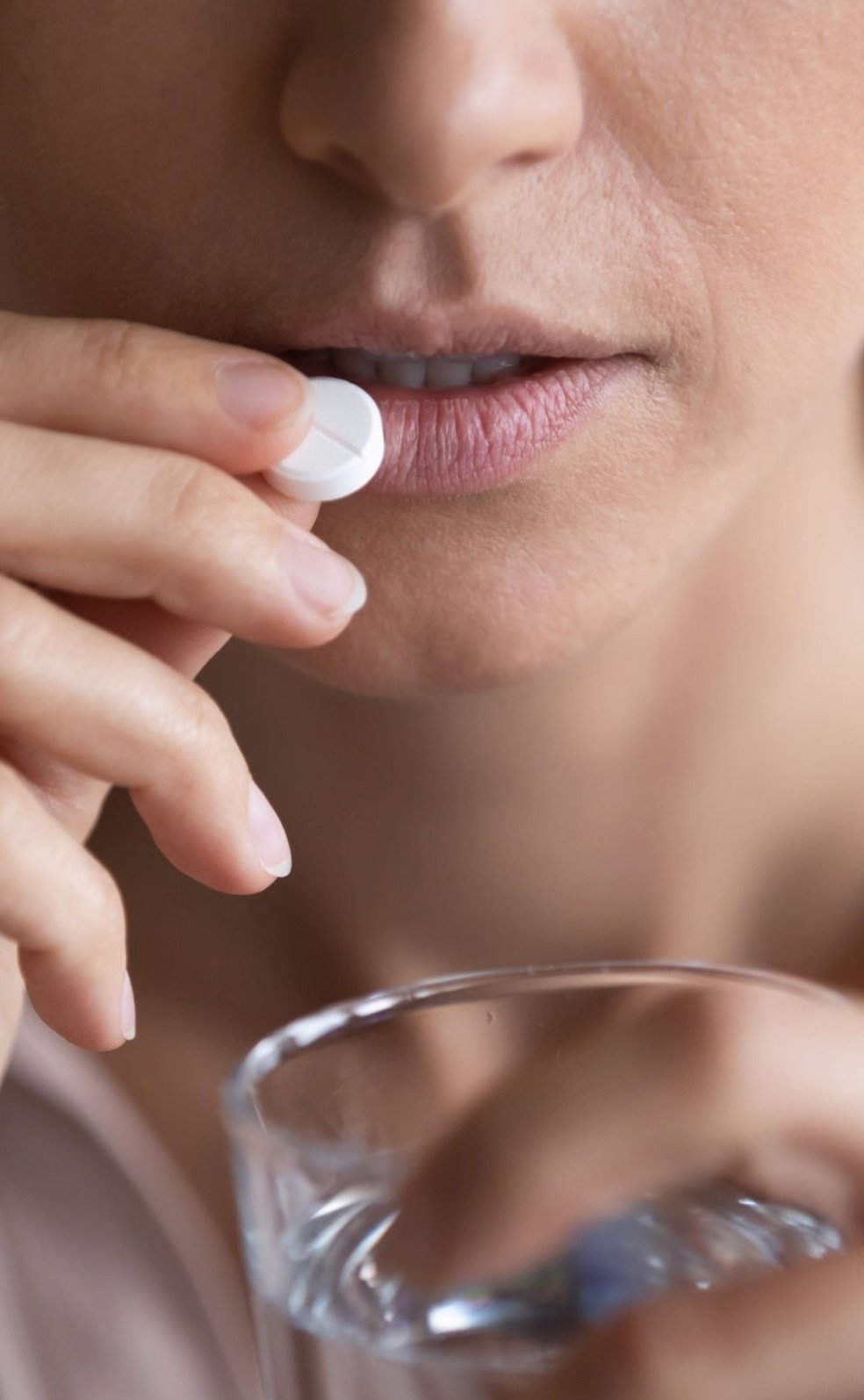
Science-backed, No BS
Trained on an AI platform used in hospitals, Elina cuts through wellness fluff and helps you focus on what's proven to work.
A Safe Space for Real Conversations

Community is at the heart of Ask Elina. Share what you’re going through, swap tips, and ask anything—no judgment, no noise. Our private, moderated channels cover everything from mental health and fitness to relationships, sex, and the weird stuff no one talks about. Menopause can be isolating. Having a place to connect with women who get it can be just as vital as medical care.
FAQ
-
Elina is an AI-powered menopause mentor that combines medical knowledge about menopause with artificial intelligence. She learns about your specific symptoms, concerns, and preferences. This allows Elina to provide personalized guidance tailored to your unique situation 24/7.
-
No. Ask Elina is an AI-powered educational and support tool. It does not provide medical diagnosis or replace professional healthcare advice.
-
Yes. Ask Elina is currently free to download and use. We don’t ask for a credit card.
-
Our community groups are organized by topic (mental health, physical symptoms, sleep, nutrition, sex, career) and are available exclusively to registered app users. All groups are actively moderated to ensure they remain supportive, informative, and respectful spaces.
-
Absolutely. Your privacy is our top priority. All personal information is encrypted and protected according to the highest security standards. Your data is never sold or shared with third parties.
-
Yes. Ask Elina is available in both English and French.
-
Ask Elina is a Canadian company based in Montreal, Quebec. Our application is available to women in Canada and the United States, but are looking to expand in more countries soon.
-
You can ask about menopause and perimenopause symptoms, hormone changes, treatment options, lifestyle, nutrition, exercise, sleep, relationships and emotional wellbeing.
Top 6 questions women ask Elina about
-
Perimenopause is the transition phase before menopause, while menopause is officially reached after 12 consecutive months without a period. The key difference is that perimenopause involves irregular cycles and fluctuating symptoms, whereas menopause marks the end of menstruation.
During perimenopause, your ovaries gradually produce less estrogen and progesterone, causing hormonal fluctuations. This typically begins in your 40s but can start earlier. Menopause occurs when your ovaries stop releasing eggs entirely, usually around age 51.
To identify which phase you're in, track your menstrual cycles and symptoms. If periods are becoming irregular or changing in flow, you're likely in perimenopause. Pay attention to symptoms like hot flashes, sleep disruption, or mood changes—these signal hormonal shifts happening in your body. Blood tests aren't typically used for diagnosis since hormone levels fluctuate significantly during this time.
Your experience is valid wherever you are in this transition. Working with a healthcare provider can help confirm your stage and create a management plan tailored to your needs.
-
Perimenopause typically lasts 4 to 8 years, though it can be shorter or longer for some women. You'll know it's ended once you've gone 12 months without a period—that's when you've officially reached menopause.
The length varies because every woman's hormonal transition is unique. Factors like genetics, lifestyle, and overall health can influence the timeline. Some women experience a smoother, shorter transition, while others have a longer journey with more pronounced symptoms.
While you can't control the duration, you can manage symptoms effectively. Treatment options like hormone therapy, lifestyle adjustments, and stress management can significantly improve quality of life during this transition, regardless of how long it lasts. Finding what works for your body makes a real difference.
Remember, there's no "normal" timeline—your experience is valid whether perimenopause is brief or extended. Focus on managing symptoms rather than waiting it out.
-
Weight gain during perimenopause and menopause is extremely common, even when your diet stays the same. Declining estrogen levels change how your body stores fat, often shifting it to your midsection rather than hips and thighs.
Multiple factors contribute to this weight gain. Muscle mass tends to decrease with age, which reduces the calories you burn. Poor sleep—which often happens during this phase—disrupts hunger hormones like ghrelin and leptin, making you feel hungrier and crave more food. Sleep deprivation also affects how your body processes insulin and stores fat.
Focus on strength training to build muscle, which helps counteract age-related muscle loss. Adding more protein to your meals helps preserve muscle mass and keeps you feeling fuller. Prioritize sleep by managing night sweats and creating a cool, dark bedroom environment. Regular movement—even walking—makes a difference.
This isn't about willpower or discipline—your body is genuinely different now. Working with what's happening hormonally, rather than fighting it, leads to better results.
-
Sleep disruption is one of the most common menopause symptoms, affecting up to 60% of women during this transition. You're not imagining it—your sleep architecture is genuinely changing.
Declining estrogen and progesterone directly affect sleep quality. Estrogen helps regulate body temperature, so lower levels trigger hot flashes and night sweats that wake you up. Progesterone has a calming effect on the brain, so less of it means lighter, more fragmented sleep. These hormonal shifts can also increase anxiety and racing thoughts at night.
Creating a cool sleep environment helps manage night sweats—keep your bedroom between 60-67°F and use breathable bedding. A consistent sleep schedule trains your body's internal clock. Limit caffeine after noon and alcohol in the evening, as both disrupt deep sleep. Magnesium supplementation and relaxation techniques like deep breathing or meditation before bed can promote better sleep quality.
This phase won't last forever, and there are effective treatments available. If sleep problems persist, talk with your healthcare provider about options like hormone therapy or cognitive behavioral therapy for insomnia.
-
Hot flashes and night sweats happen when dropping estrogen levels confuse your body's temperature regulation system. Your hypothalamus—your internal thermostat—becomes overly sensitive to small temperature changes, triggering sudden heat and sweating to cool you down.
Hormone therapy is the most effective treatment, helping stabilize estrogen levels and reducing hot flashes by 75-90% for most women. If hormones aren't right for you, newer non-hormonal medications like Veozah and Lynkuet specifically target hot flashes and can significantly reduce their frequency and severity.
Beyond medication, specific interventions help. If you smoke, quitting significantly reduces hot flashes. Weight loss of even 10% can decrease frequency and severity. Cognitive behavioral therapy (CBT) teaches techniques to manage the stress response that often intensifies hot flashes, giving you practical tools to reduce their impact.
You don't have to just endure this. Effective treatments exist, and finding the right combination for your body can dramatically improve your quality of life during this transition.
-
Hormone therapy is safe for most healthy women under 60 or within 10 years of menopause. A 2002 study created widespread fear about HRT, but newer evidence has shown those concerns were largely overstated. For the majority of women, the benefits—relief from hot flashes, better sleep, bone protection—far outweigh the risks when started at the right time.
Women with a personal history of certain cancers, blood clots, stroke, or heart disease may need to avoid HRT or choose specific formulations. Your individual risk factors, family history, and the type of HRT all matter in determining what's safest for you.
The key is personalized assessment. Elina can help you advocate for yourself by preparing questions and tracking your symptoms before your appointment, so you can have a more informed discussion with your provider. They can then help you weigh your specific risks against benefits, and evaluate all your options.
HRT isn't one-size-fits-all, but it's a safe, evidence-based option for many women. Modern research supports its use when appropriately prescribed.

Download the
Ask Elina app.

What Women Are Saying About Elina.
-
![Digital illustration of a woman with short black hair wearing a pink top, facing forward with a neutral expression.]()
“Having 24/7 support during this confusing time has been amazing. Elina explains things clearly and helps me feel less alone.”
Maria, 45
-
![Digital illustration of a woman with long brown hair tied in a high ponytail, wearing red glasses and a rust-colored top.]()
“Elina helped me understand that my sleep issues were connected to perimenopause—something my doctor never mentioned. The strategies she suggested have made a real difference.”
Sarah, 48
-
![Digital illustration of a woman with shoulder-length brown hair, wearing large blue glasses, a navy blue top, and smiling with white teeth.]()
“Elina is my nerdy, know-it-all friend who’s already gone through menopause and knows all the secrets!”
Carla, 54


